
The 2026 Spring Festival Travel Rush: How Smart Checkpoints are Reshaping the World's Largest Annual Migration
As China prepares for the 2026 Spring Festival travel season, set to begin on 2 February, the nation's transport hubs are undergoing a silent revolution. Beneath the familiar surface of crowded terminals and lines of travellers lies a sophisticated network of artificial intelligence, advanced imaging, and predictive systems. These innovations are transforming the critical yet often stressful checkpoint from a bottleneck into a conduit for smoother, safer journeys. From major hubs in Shenzhen and Guangzhou to smaller stations in Xinjiang, a tech-driven upgrade of security screening is redefining efficiency for what remains the planet's largest periodic human migration.
The Airport Frontier – From "Easy Security" to "Silky-Smooth" Transit
The departure halls of Shenzhen Bao'an International Airport offer a glimpse into the future of air travel security. Here, the "Easy Security" channels, a pioneering concept first launched in 2018 and now in use across 41 major Chinese airports, have received a significant upgrade just in time for the 2026 travel rush. The key improvement is the replacement of standard baggage scanners with advanced CT (Computed Tomography) systems for hand luggage.
This technological leap is transformative. Similar to medical CT scanners, these machines provide security inspector with high-resolution, three-dimensional images of a bag's contents. Algorithms can automatically rotate and slice through the virtual image, allowing for thorough inspection without physical unpacking. The most immediate benefit for passengers is dramatic time savings. "I choose the 'Easy Security' channel every time. I don't need to take out my laptop, and I get through very quickly," one traveler noted. The system is designed for streamlined, self-service transit, incorporating facial recognition at self-verification gates and automated baggage conveyor belts. According to airport officials, the average processing time has been slashed to around three minutes per passenger.
The system is not merely about speed but intelligent risk management. It primarily serves frequent flyers with strong travel records who pre-register and schedule slots via Alipay or a dedicated mini-program. This model allows security resources to focus more effectively while rewarding low-risk travelers with a premium, efficient experience. Hao Xiaomei, assistant to the captain of the passenger inspection team at Shenzhen Airport, emphasized that the upgrade aims to further enhance both the accuracy and efficiency of checks. As hundreds of millions prepare to take to the skies, this model of fast-tracking trusted passengers while employing deeper scrutiny for unknown risks represents a core strategy for managing overwhelming volumes.
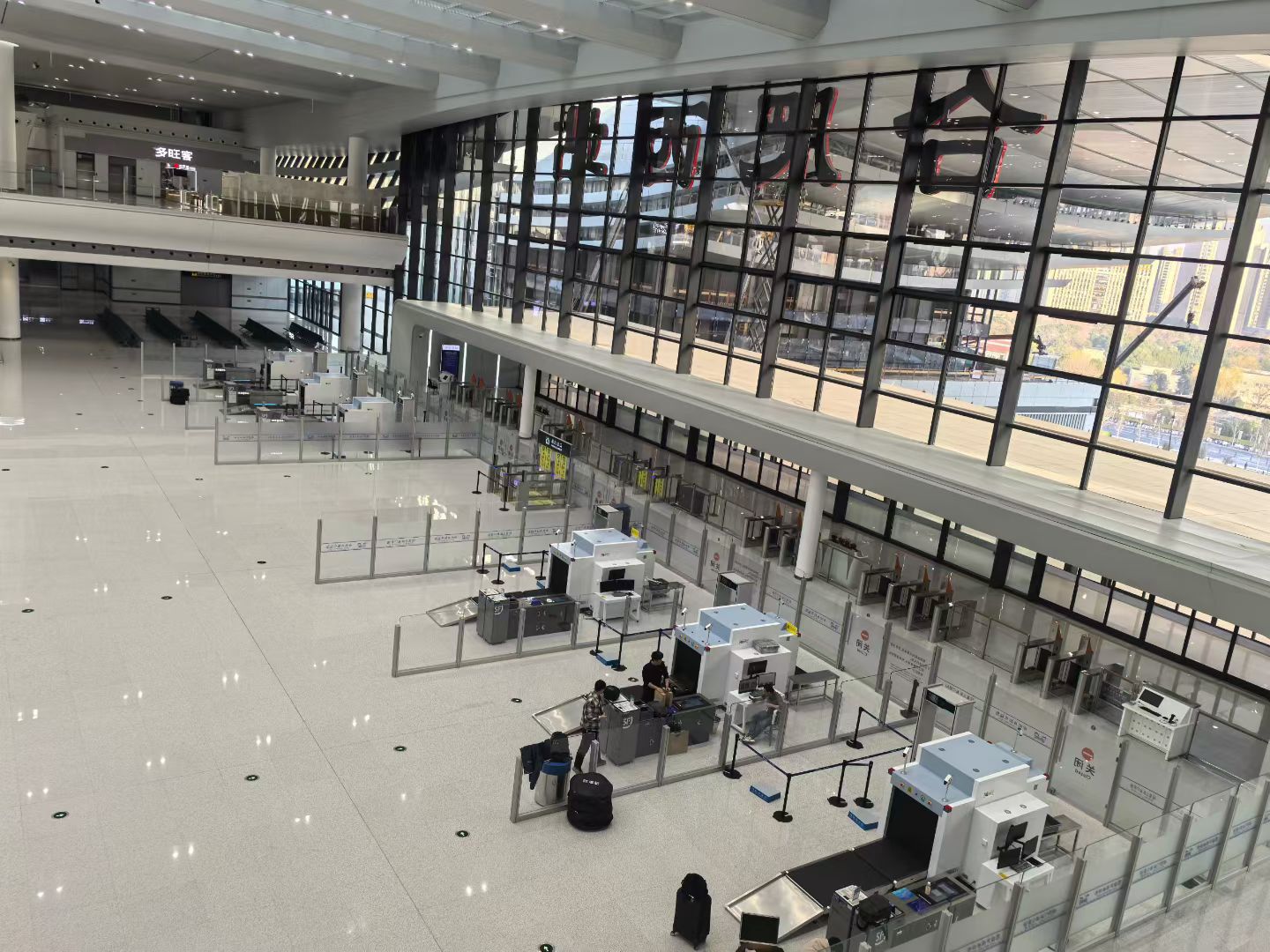 The Railway Revolution – AI, "Electronic Fences," and the Smart Station "Brain"
If airports are achieving "silky-smooth" processing, China's vast railway network, the backbone of the Spring Festival migration, is undergoing its own intelligent transformation. The scale is staggering; in 2025, railway passenger trips were forecast to exceed 510 million during the 40-day period. To cope, stations nationwide are deploying integrated smart security ecosystems.
The cornerstone is the Intelligent Security Inspection System. At its heart lies an AI-powered image recognition system. When luggage passes through an X-ray scanner, algorithms instantly analyze the image to identify potential contrabands. At stations like Qingdao, this system has reportedly achieved an accuracy rate of over 98% in detecting liquids like alcohol and gasoline. The result is blistering speed: passenger security checks at Qingdao Station now take less than six seconds on average, a reduction of nearly one-third compared to the previous year.
This technology is amplified by centralized(image judgment) rooms. At major stations like Nanchang East, security personnel no longer need to be stationed at every scanner. Instead, they monitor feeds from multiple machines in a dedicated control room. When a suspicious item is flagged by the AI or spotted by an operator, they can instantly send an annotated image to a tablet computer held by an officer on the floor, who then conducts a targeted hand search. This process is complemented by a fully digital contraband registration system. If a passenger must relinquish a prohibited item, electronic registration via ID scan and photo takes about seven seconds, replacing a cumbersome one-minute paper-based process. For voluntarily abandoned items, the process is reduced to a mere five seconds.
Innovation extends beyond the security hall. On platforms, passenger safety and flow are managed by "Electronic Fences" and smart barriers. At Weifang Station, systems use suspended displays to guide passengers to their exact carriage location as a train arrives, reducing chaotic scrambling. In Salaqi Station in Inner Mongolia, an intelligent retractable barrier system physically separates waiting areas from the tracks when no train is present, only lowering after a train has safely stopped. Infrared sensors and alarms activate if passengers approach too early, preventing accidents.
Overseeing this complex operation in mega-hubs like Guangzhou South Station—which anticipates handling over 500,000 daily passengers—is the station "brain". This integrated command center synthesizes real-time data from ticket sales, surveillance cameras, and train schedules. Its predictive analytics can forecast passengers surges and automatically send alerts to station managers to deploy extra staff, preventing bottlenecks before they form. In an emergency, it enables instant communication across the entire station via a unified wireless network.
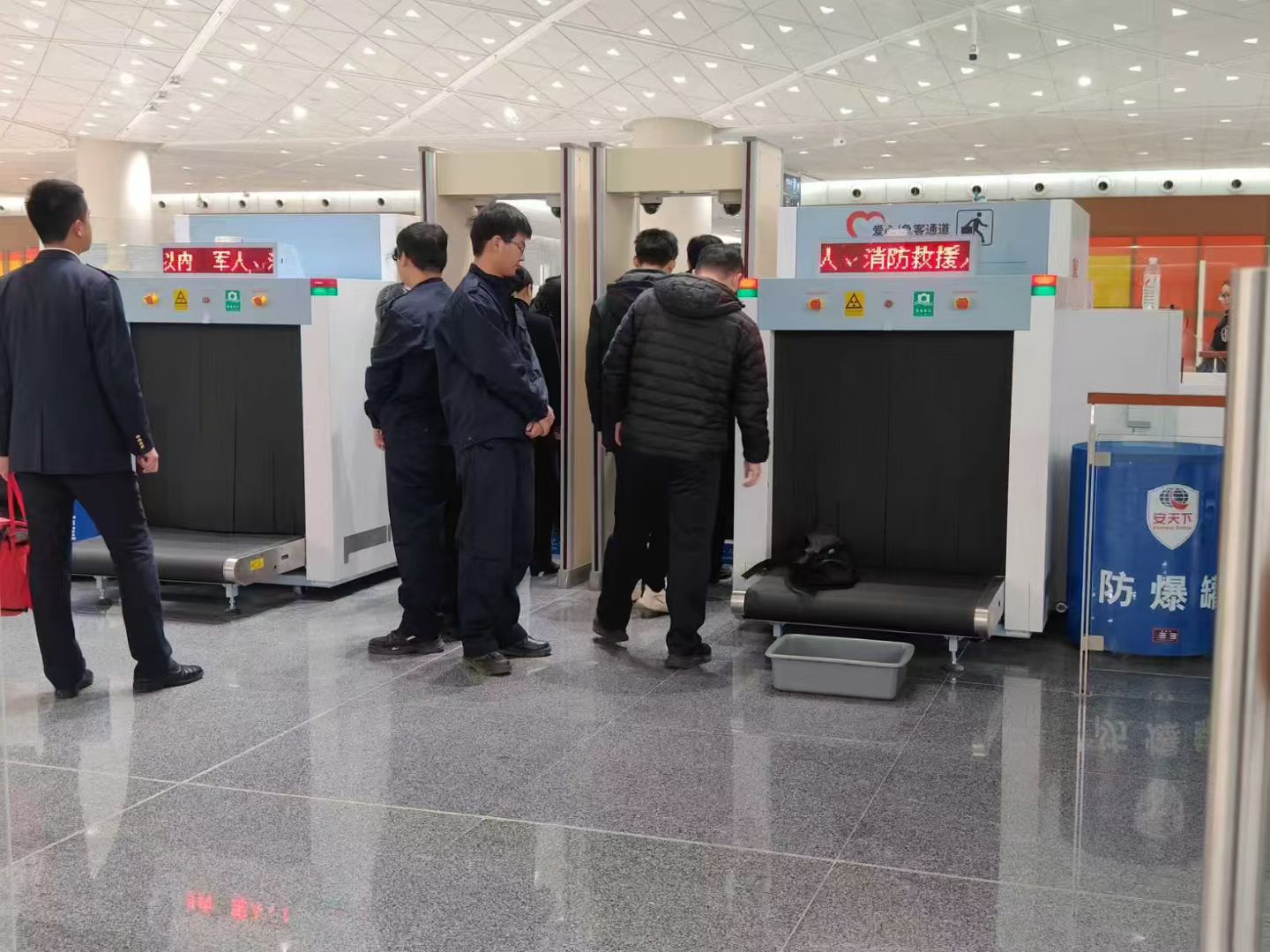
The Human Dimension – Preparedness, Service, and the Personal Touch
Technology provides the tools, but its effectiveness hinges on human preparation and a service-oriented ethos. Across the network, the pre-Spring Festival period is a time of intense readiness. At Dongguan South Station, which expects to handle 380,000 passengers during the travel period, technicians are conducting rigorous maintenance on all key equipment—security x ray screening machine, ticket gates, elevators, and display screens—aiming for "zero faults" during the peak season. Similarly, in the far-western region of Xinjiang, Xīnghé Railway Station has installed and debugged new personal's ID verification gates to accelerate entry and prevent queues.
This preparation includes comprehensive contingency planning. Stations like Xīnghé have developed detailed emergency response plans for scenarios ranging from extreme weather to sudden equipment failure and large crowd surges, ensuring staff are drilled and ready. The human element remains vital, particularly for vulnerable travelers. Stations are reinforcing "soft service" by deploying Party member task forces, youth volunteers, and Party member pioneer posts at critical points like security checking, guidance, and ticket checking. These teams provide tailored assistance, offering one-on-one support for the elderly, those with disabilities, or travelers with young children, ensuring technology does not leave anyone behind.
The Philosophy of "Smart Security" – Efficiency, Accuracy, and a Warm Journey
The nationwide push for smart security checking represents a fundamental shift in philosophy. The goal is no longer merely to intercept threats but to optimize the entire flow of legitimate travel. The core principles are:
Precision over Blanket Checks: By using AI to identify true risks and systems like "Easy Security" to profile low-risk travelers, resources are allocated more intelligently.
Process Integration: Technologies are not deployed in isolation. The digital chain from AI image judgement to electronic registration creates a seamless, paperless workflow that eliminates traditional delays.
Predictive Management: Moving from reactive to proactive operations, using big data to anticipate and manage passengers, thereby maintaining order and safety.
Service Integration: Security is increasingly woven into the broader passenger experience, whether through faster transit, clearer platform guidance, or a warmer, more assisted journey for those in need.
This transformation is not without challenges. It requires massive investment, seamless integration of new hardware with legacy systems, continuous staff training, and public adaptation to new procedures. Privacy considerations regarding biometric data collection also demand careful, transparent handling.
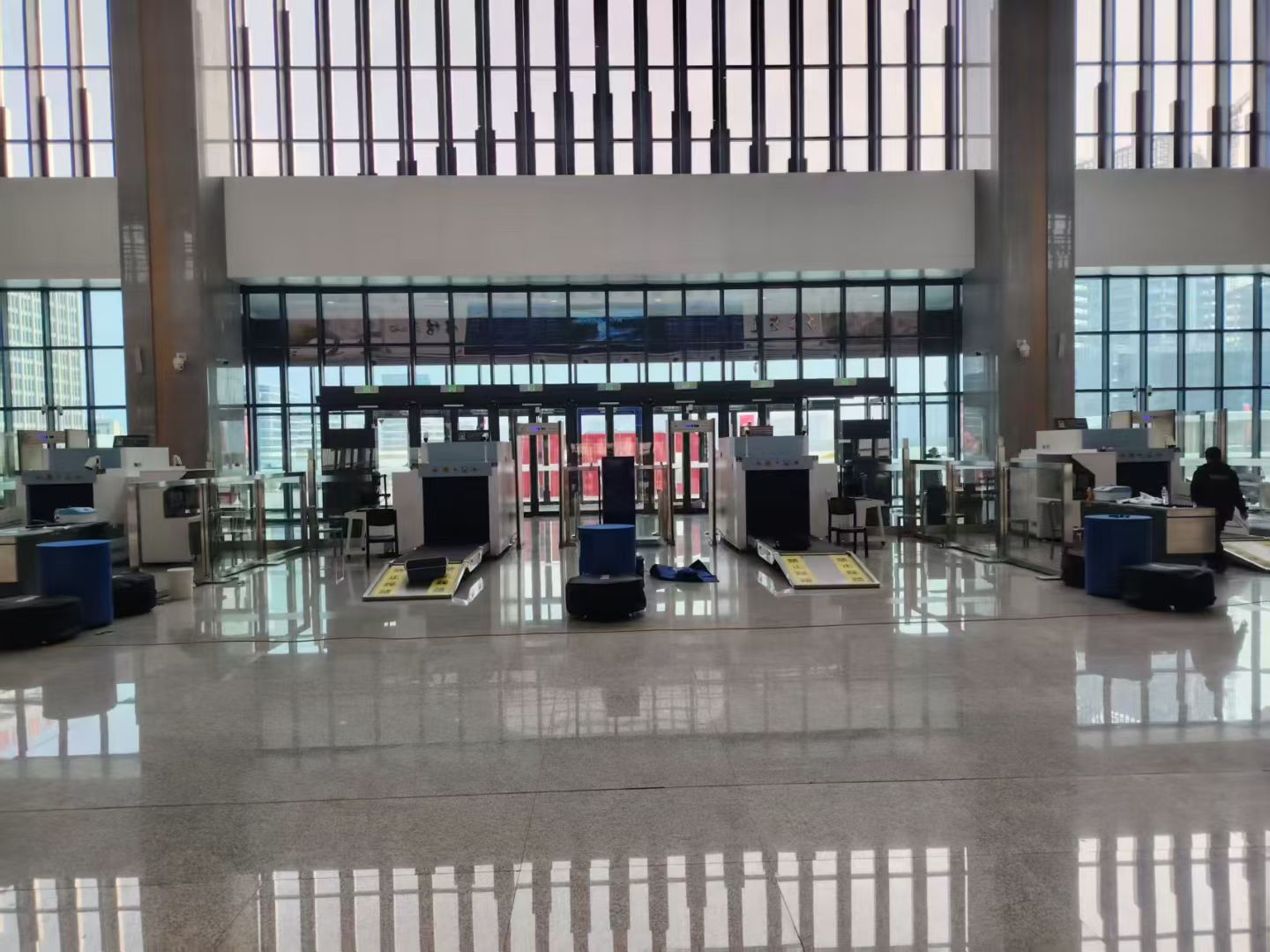
As the 2026 Spring Festival travel rush begins, the experiences at Shenzhen's airport, Nanchang's railway station, and countless other hubs will serve as a large-scale test for China's vision of smart, secure, and humane mass mobility. The lessons learned here—in balancing cutting-edge automation with essential human service, in pursuing both efficiency and absolute safety—will resonate far beyond the 40-day travel season. They offer a blueprint for how global mega-societies might manage the intense, periodic pulses of human movement that define modern life, turning the daunting challenge of the world's largest migration into a showcase for technological harmony and operational excellence. The journey home, a deep-rooted cultural imperative, is being reshaped by the tools of the future, promising a travel experience that is not only safer and faster but also more dignified and less stressful for hundreds of millions.